
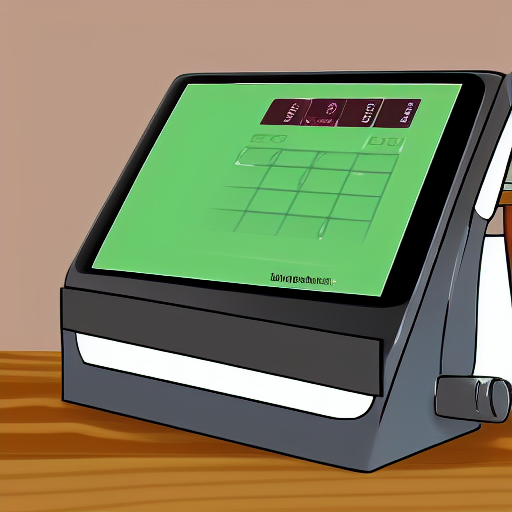
 You may have heard of point of sale (POS) but what is it exactly and how does it work? In short, a POS system is how businesses process transactions. This could be anything from a physical retail store to a restaurant to an online store. A POS system can be as simple as a cash register or it could be a more complex set of software and hardware that includes inventory management, customer relationship management, and even analytics.
In this blog post, we’ll give you a rundown of how POS systems work and some of the benefits they offer businesses of all sizes. By the end, you should have a better understanding of whether or not a POS system is right for your business.
How Does a POS System Work?
POS systems typically consist of three main components:
- Software
- Hardware
- Payments
The software is what allows businesses to track inventory, sales, customers, and more. This is often the most expensive part of a POS system as it requires ongoing maintenance and support.
The hardware consists of things like barcode scanners, receipt printers, and cash drawers. The type of hardware you need will depend on the type of business you have. For instance, if you run a retail store you’ll need barcode scanners to ring up customers quickly whereas if you have a restaurant you’ll need receipt printers to print out orders for kitchen staff.
Finally, payments are processed through credit card terminals or similar devices that are integrated with the software and hardware. This allows businesses to accept various forms of payment including credit cards, debit cards, gift cards, Apple Pay, Google Pay, and more.
Benefits of Using a POS System
- There are many benefits that come with using a POS system including:
- Improved efficiency: A POS system can help businesses run more efficiently by streamlining sales transactions and order processing.
- Increased accuracy: With a POS system in place, businesses can reduce errors in inventory management and pricing.
- Greater insights: POS systems generate data that can be used to track trends and understand customer behavior. This information can be used to make strategic decisions about pricing, promotions, product assortment, and more.
- Enhanced customer service: A POS system can help businesses keep track of customer purchase history which makes it easier to provide personalized service. Additionally, some POS systems come with features like loyalty programs and gift cards which can further improve customer satisfaction levels.
As you can see, there are many benefits that come with using a POS system. If you’re thinking about investing in one for your business, be sure to consider all the factors we’ve discussed here so that you can make an informed decision. Thanks for reading!