
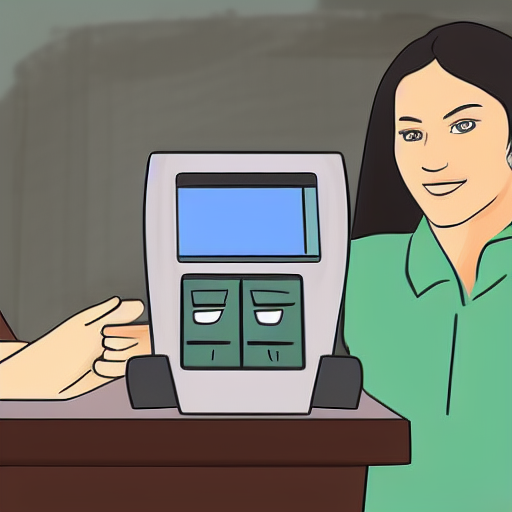
 If you’re a small business owner, then you know that there are a million different terms and acronyms to keep track of. From POS to PPC, it can be tough to keep everything straight. That’s why we’re here to help! In this blog post, we’ll be discussing the difference between two common terms: point of sale (POS) and point of purchase (POP). Keep reading to learn more!
Point of Sale (POS):
A point of sale is the location where a customer makes a purchase. This can be either in-person or online. For example, if you have a brick-and-mortar store, then your POS would be wherever your register is located. Similarly, if you sell products through an e-commerce website, your POS would be the checkout page on your site.
In addition to being the place where transactions occur, POS systems can also refer to the software and hardware used to complete transactions. For example, many businesses use POS systems that include barcode scanners and credit card readers. These systems make it easy for businesses to track inventory and sales data. They can also help streamline the checkout process for customers.
Point of Purchase (POP):
A point of purchase is the place where consumers make buying decisions. This can be either before or after they reach the point of sale. For example, if you see a product that you want to buy on an end cap at the grocery store, that would be considered a point of purchase. Similarly, if you see an ad for a product online and then go to the company’s website to purchase it, that would also be considered a point of purchase.
POP displays are often used by businesses to increase impulse buys. For example, grocery stores will often place candy or other small items near the register so that customers will see them and buy them on a whim. Businesses can also use POP displays to increase brand awareness or promote new products.
As a small business owner, it’s important to understand the difference between these two terms. Knowing when and how to use each one can help you better market your products and services—and ultimately boost your bottom line!